We’re bridging divides to ensure peace for all North Carolinians. Supported by The Carter Center, the North Carolina Network for Fair, Safe, and Secure Elections welcomes participants from across the political spectrum, from every corner of the state, and from every walk of life.
The North Carolina Network is for dedicated leaders and community members who want to improve the quality of our democracy and who agree with our three principles.
What We Stand For
- Committing to truth in our politics.
- Engaging peacefully with our fellow Americans, and
- Supporting our electoral democracy.
Voters and organizations can participate in the network, telling candidates to lead by example to help restore trust in elections. Network members will promote peaceful resolution of disputes and differences through constructive engagement, share proactive messaging that promotes accurate information about our elections, and counter acts of intimidation through dialogue, conflict-sensitive communication, and rapid response planning.
Principles for Trusted Elections
North Carolina Network for Fair, Safe, and Secure Elections members will help mobilize support for the Principles for Trusted Elections. Launched in 2022, the nationwide, cross-partisan initiative asks citizens, organizations, and public officials to uphold five core principles of democratic elections. The Principles are:
- Integrity
- Nonviolence
- Security
- Oversight
- Peaceful transfer of power
As the 2024 Election approaches, our aim is to push back on extreme polarization by getting citizens in every state to support these principles. More than 1000 leaders from across the political spectrum are collaborating to support these principles.
As the 2024 Election approaches, our aim is to push back on partisanship by getting citizens in every state to support these principles. Leaders from across North Carolina's political spectrum are collaborating with the Network to support these principles.
North Carolina Elections Commission (NCEC) Report
State of North Carolina Senior Advisors
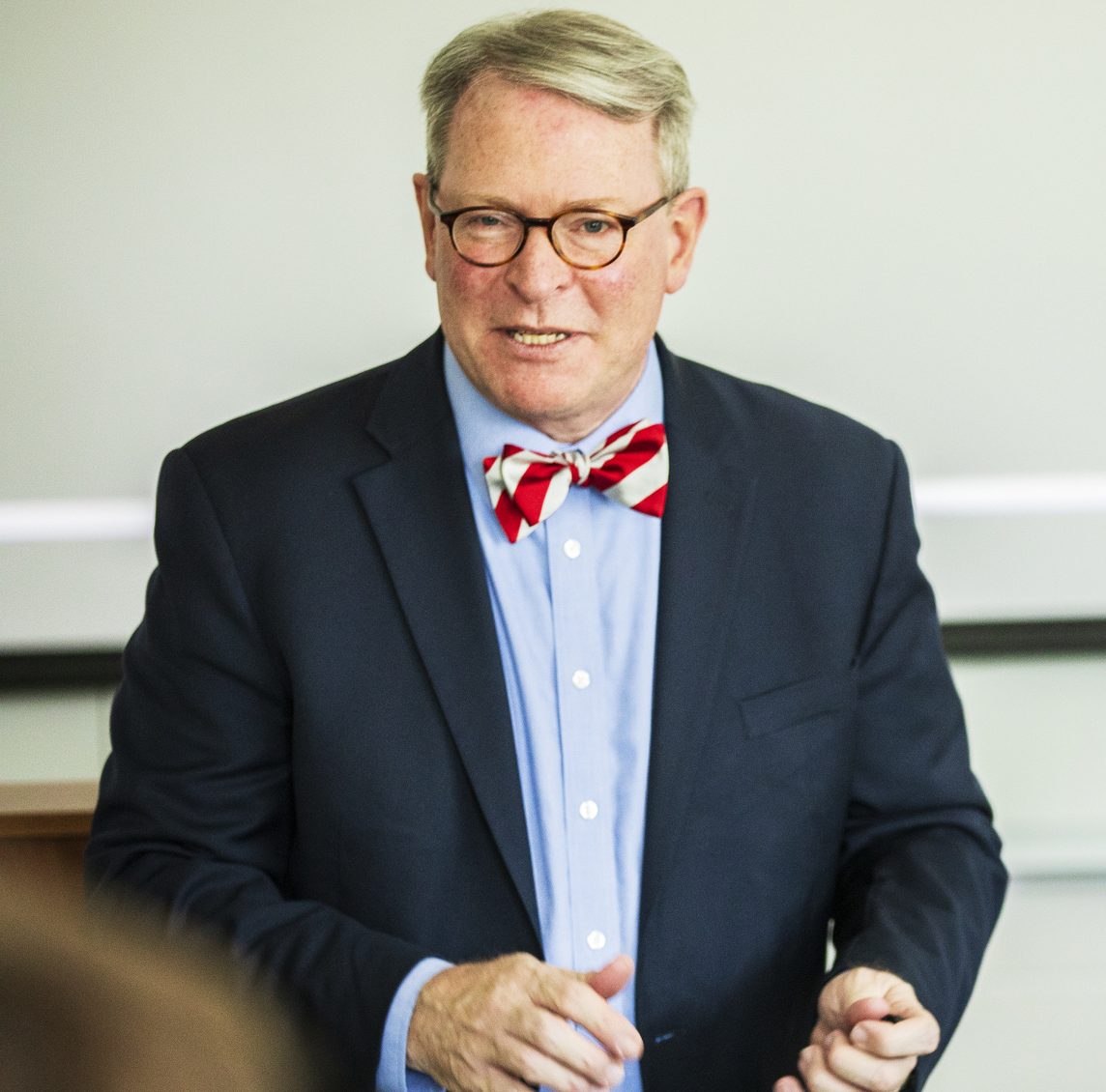
Dr. Michael Bitzer
Senior Advisor
Dr. Michael Bitzer is a professor of politics and history at Catawba College, where he has taught since 2002. His teaching and research focus on American politics, Southern and North Carolina politics, campaigns and elections, and voter behavior. He also directs Catawba College’s Center for North Carolina Politics & Public Service, which oversees the Catawba-YouGov Surveys of North Carolinians.
Dr. Bitzer is an expert commentator on North Carolina and American politics and has been interviewed by local, state, national, and international news outlets, including The New York Times, The Washington Post, CNN, the BBC, and ABC. His research on redistricting and gerrymandering in North Carolina examines the role of partisanship, litigation, and electoral district boundaries in shaping the state's political landscape.
Through his teaching, research, and public engagement, Dr. Bitzer brings extensive knowledge of North Carolina's electoral system and political environment to conversations about elections, public trust, and democratic participation.
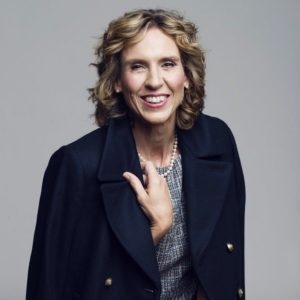
Jennifer Roberts
Senior Advisor
Jennifer Roberts served as a four-term Mecklenburg County Commissioner and later as the 58th Mayor of Charlotte. After leaving public office, she ran the Communities Program on climate solutions for a national environmental non-profit, ecoAmerica. She has long been a champion of issues related to education, equality, inclusion, and environmental protection. She is the only person to be elected to serve as both Chairman of the Mecklenburg County Commission and later as Mayor of Charlotte.
Before entering elected office, Roberts worked as a high school math teacher, a diplomat with the U.S. State Department, an international banker, and an adjunct professor at UNC-Charlotte. She currently serves on numerous community boards and commissions, including serving as chair of Meck Ed and treasurer of MeckMIN (Mecklenburg Metropolitan Interfaith Network). In addition to her work with The Carter Center, she is the honorary chair of the Re-imagining America Project, a speaker and author, and a consultant on issues ranging from climate change to democratic engagement and leadership.